Cupping Therapy in Santa Monica: What It Is, What It Feels Like, and Aftercare
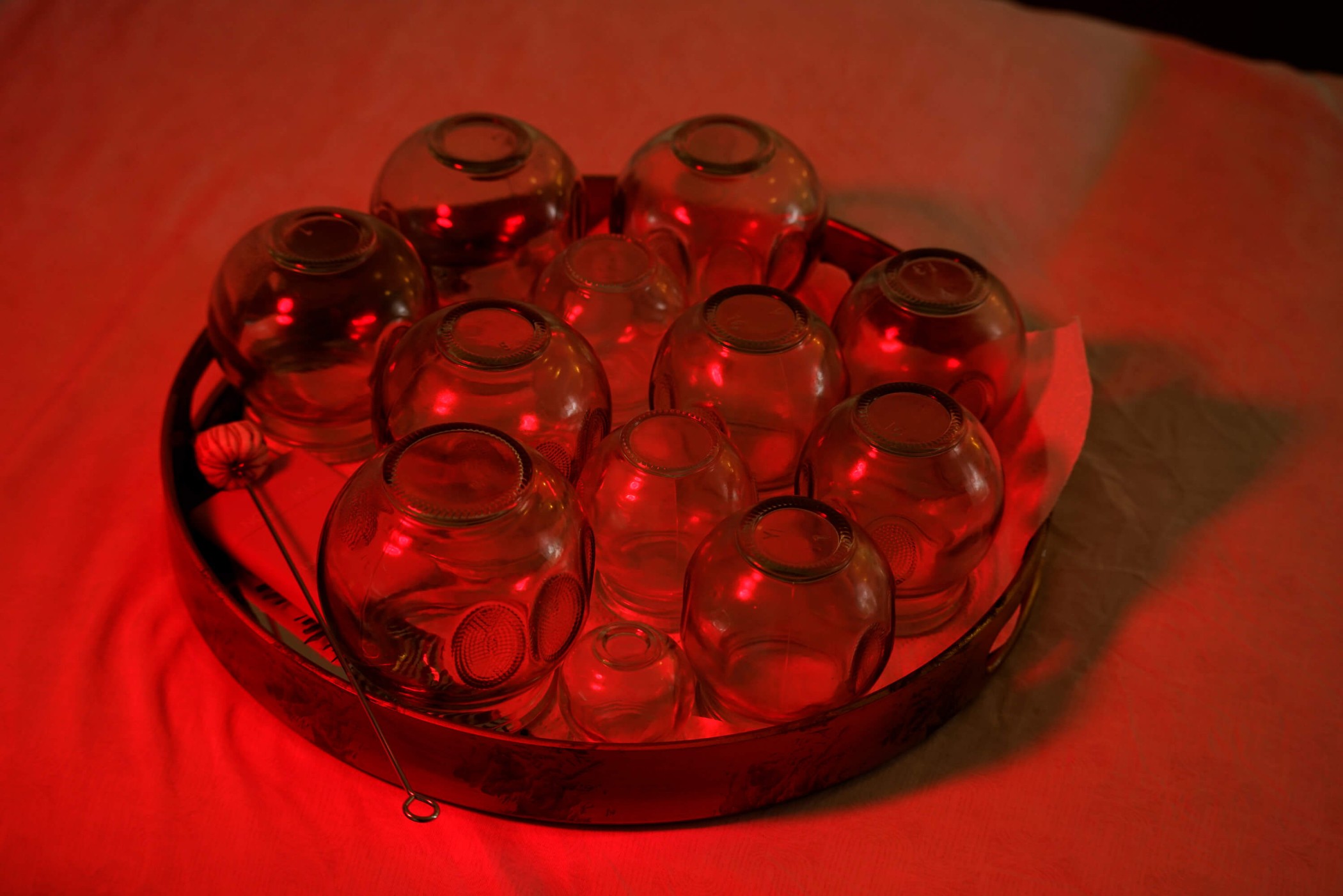
A calm guide to cupping therapy in Santa Monica: what it is, what a 30-minute session feels like, what the marks are, and simple aftercare tips.
If you have searched “is dry needling the same as acupuncture,” you have probably noticed that both describe a thin needle placed in the body, and wondered whether it is one thing with two names.
The two overlap, but they come from different traditions and are explained in different ways. This guide lays out the difference fairly, in plain language, so you can ask good questions of any provider you are considering in Santa Monica.
Curious about acupuncture itself? Book a consultation with Dr. Gradinarova. A free 15-minute consultation is also offered on Tuesdays from 2 to 3 pm, booked by email or text message.
No, they are not the same, though they have a lot in common. Both use thin needles. The main difference is the framework behind them. Acupuncture comes from Chinese medicine, an Eastern tradition. Dry needling is described in Western medicine terms and aims at trigger points in muscle.
Cleveland Clinic’s patient guide to dry needling draws the same line.
Both involve thin needles placed in the skin, so it is easy to see why the two get mixed up. Asking which tradition a provider works in, and how they explain what they are doing, is a simple way to find out what to expect.
Acupuncture is a technique in which fine needles are placed in the skin at specific points. In Chinese medicine, those points are understood to lie along channels, sometimes called meridians, and the practitioner chooses them based on a pattern they see in the whole person, not only in the area that hurts.
That is why a visit begins with conversation. At AcupuncturePG, a first visit starts with a detailed review of your concerns, medical history, lifestyle and health goals, and the treatment that follows is personalized. Chinese herbal medicine, cupping and moxibustion belong to the same tradition. You can read more on the acupuncture service page.
Dry needling is a technique in which a trained provider places thin needles through the skin to reach myofascial trigger points. Trigger points are knotted, tender areas in muscle. They can be near where you feel pain, or the pain can show up elsewhere in the body.
The needles are solid and contain no medication, which is where the word “dry” comes from. It is different from a trigger point injection, which does contain medicine.
Cleveland Clinic notes that acupuncturists, physical therapists and other trained healthcare providers use dry needling, usually as part of a broader pain management plan. Different providers with different training perform dry needling, so it helps to ask about the background of whoever you see.
Dr. Gradinarova can perform dry needling, but she is not a big advocate of it, because her education is in Chinese medicine. What she uses instead is closer to Ashi points. These are tender spots on a muscle, and in Chinese medicine they are needled as part of a wider plan.
The line between them is not perfectly sharp. A published narrative review comparing the two notes that both use filiform needles, and that needling painful spots has a place in acupuncture as well as in dry needling. In acupuncture, tender spots needled regardless of the established points are called Ashi points.
The review also notes that warm needling is established in acupuncture but not in dry needling.
| Acupuncture | Dry needling | |
|---|---|---|
| Where it comes from | Chinese medicine, an Eastern tradition | Described in Western medicine terms |
| Explained through | Points, channels and patterns of the whole person | Trigger points in muscle |
| Needles | Thin | Thin and solid, no medication |
| Typical context | At AcupuncturePG, intake covers concerns, history, lifestyle and goals | Usually part of a broader pain management plan |
An acupuncture visit at AcupuncturePG begins with the intake conversation, then a personalized treatment using fine, sterile needles at specific points. Depending on the person, it may also include moxa, cupping or recommendations for Chinese herbs and lifestyle guidance. For a step-by-step walkthrough, see Acupuncture in Santa Monica: What to Expect at Your First Visit.
You may wonder whether one feels different from the other. The honest answer is that it depends on the provider, the area being needled and the person receiving it, so there is no single description that fits everyone. Ask your provider what you can expect before any needles go in, and tell them if something feels uncomfortable.
Training matters with any kind of needling, and it is reasonable to ask about it directly. Cleveland Clinic says the same: it is important to confirm that your provider has received proper training. The National Center for Complementary and Integrative Health notes that acupuncture licensing requirements vary from state to state. Rather than guess, ask whoever you are considering to explain their license, their training in the technique they will use, and how long they have been practicing it.
This is not a ranking. Neither approach is the right answer for everyone, and it is fine to work with more than one kind of provider. What matters is that you understand what is being done, why, and by whom.
If you are drawn to a whole-person framework with a broad intake conversation, an acupuncture visit may be a good fit. If you have been referred for dry needling by a provider you trust, bring them the questions above.
If you are searching for dry needling in Santa Monica, the questions above apply to any provider you are considering. AcupuncturePG is built around acupuncture within Chinese medicine, alongside herbal medicine, SCENAR therapy, cupping, moxibustion, ear seed treatments and cosmetic acupuncture with microneedling.
The practice is at 729 Montana Ave, Suite 6, Floor 2, Santa Monica, CA 90403, and also serves Brentwood, Venice, Marina del Rey, Pacific Palisades and West Los Angeles. You can also explore the pain relief page or read 5 Signs Your Pain Is Nervous System Dysfunction, Not Tissue Damage.
Dr. Plamena Gradinarova, DAcCHM, brings more than 22 years of experience in kinesiology and holds both a Master’s and a Doctorate degree from SCUHS. She went on to deepen her knowledge in Chinese acupuncture and herbology, and her journey as a healer began in 2005. She also took part in an exchange program in Taiwan, where she gained further experience in Traditional Chinese Medicine at China Medical University Hospital. You can read more on the About page.
If you are weighing your options, a consultation is a straightforward place to ask questions about acupuncture and how a visit works. Clinical questions about your own situation are best answered in person, after Dr. Gradinarova has heard your history.
Book your appointment online, or call (510) 761-2720. See the booking page for current availability. The free 15-minute consultation is on Tuesdays, 2 to 3 pm. Email office@acupuncturepg.com or send a text message to (510) 761-2720.
—
No, though they overlap. Both use thin needles. Acupuncture comes from Chinese medicine and is explained through points, channels and patterns of the whole person. Dry needling is described in Western medicine terms and centers on trigger points, which are knotted, tender areas in muscle. Ask any provider which approach they use and how they were trained.
The main difference is the framework. Acupuncture sits within Chinese medicine, with an intake that looks at the whole person. Dry needling is a technique described in Western medicine terms, aimed at trigger points in muscle and usually used as part of a broader plan. The needles themselves are similar, and the two overlap in places.
Cleveland Clinic notes that acupuncturists, physical therapists and other trained healthcare providers use dry needling. Whether a particular provider offers it, and what training they have, varies, so ask directly. Dr. Gradinarova can perform dry needling, but her practice is built around acupuncture within Chinese medicine, and she works with Ashi points, tender spots on a muscle, instead.
Ask about the provider’s license and training in the needling they will use, what they plan to do in your visit and why, whether the needles are sterile and single-use, and how you will decide together whether to continue. You can also ask them to stop at any point.
Both are described as using thin needles. Cleveland Clinic explains that dry needling is called “dry” because the needles are solid and contain no medication, which sets it apart from trigger point injections. Technique, depth and point selection depend on the provider and the framework they work in.
A calm guide to cupping therapy in Santa Monica: what it is, what a 30-minute session feels like, what the marks are, and simple aftercare tips.
What affects the cost of acupuncture in Santa Monica: visit length, follow-ups, herbs and add-ons, how to think about insurance, and current prices.