

5 Signs Your Fatigue Is Hormonal (Not Just ‘Getting Older’)
You’ve been tired for months — maybe years. Not the normal “had a late night” tired, but the bone-deep exhaustion
You’ve probably noticed the pattern by now. A stressful week at work, and suddenly your stomach is a mess. An important presentation, and you’re running to the bathroom. A fight with your partner, and you’re bloated for days.
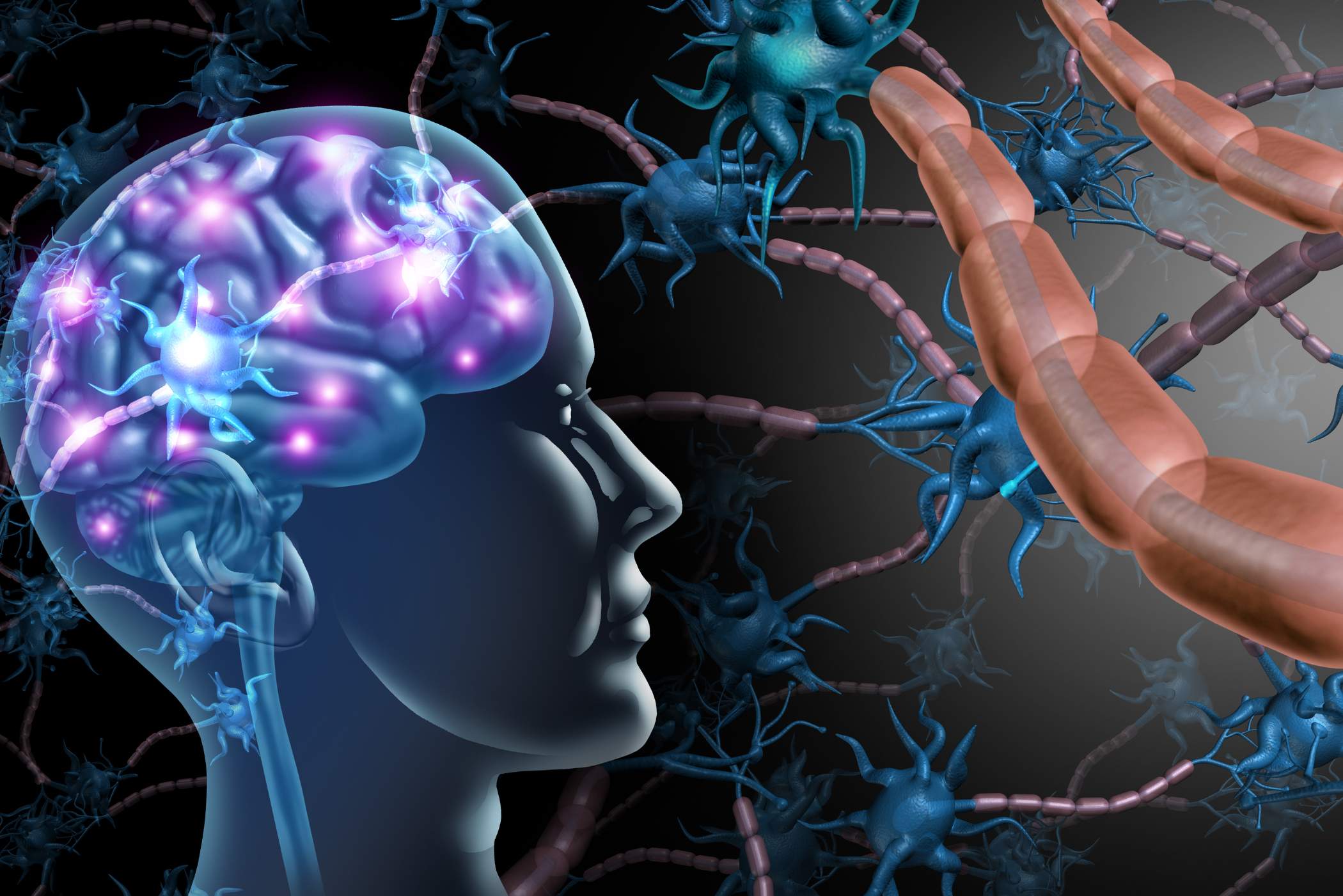
It’s not a coincidence, and it’s not “all in your head.” Your gut and your brain are in constant conversation through a communication highway called the gut-brain axis — and when one is stressed, the other suffers.
If you’ve been told your digestive issues are “just stress” or “just IBS,” you’re not imagining it. But that diagnosis often leaves people feeling dismissed, as if the pain and discomfort aren’t real or valid. They are. Understanding how stress affects your gut is the first step to actually fixing the problem — not just managing symptoms.
The gut-brain axis is a bidirectional communication system linking your central nervous system (brain and spinal cord) with your enteric nervous system (the massive neural network in your gut). These two systems talk to each other constantly via:
The Vagus Nerve — The primary information superhighway running between your brainstem and your digestive tract. About 80-90% of the signals traveling along the vagus nerve go FROM your gut TO your brain (not the other way around).
Neurotransmitters — Your gut produces about 95% of your body’s serotonin and 50% of your dopamine. These “feel-good” chemicals don’t just affect mood — they regulate gut motility, secretion, and sensitivity.
The Gut Microbiome — Trillions of bacteria in your digestive tract produce compounds that influence brain function, mood, and stress response.
Immune System Signals — About 70% of your immune system lives in your gut. When your gut is inflamed, your brain gets inflammation signals too.
This intricate connection is why:
Here’s what happens in your body when you’re stressed:
When your brain perceives a threat (a work deadline, financial worry, relationship conflict), your sympathetic nervous system activates — the “fight or flight” response. This is great if you’re being chased by a tiger. It’s terrible if you’re just trying to digest lunch.
In survival mode, your body:
Your body literally deprioritizes digestion because it thinks you need to run for your life.
Stress doesn’t just slow digestion down — it makes it erratic. Some people experience:
Increased motility — leading to diarrhea, urgency, and that panicked “I need a bathroom NOW” feeling before stressful events.
Decreased motility — leading to constipation, bloating, and that uncomfortable “stuck” sensation.
Mixed patterns — the hallmark of IBS, where you alternate between both extremes.
This happens because stress hormones (cortisol, adrenaline) directly affect the smooth muscle contractions in your intestines.
Chronic stress increases something called visceral hypersensitivity — basically, your gut’s pain receptors become overreactive. Normal digestive sensations (gas, movement, stretching) that wouldn’t bother most people start registering as pain or severe discomfort.
This is why people with stress-related digestive issues often say things like “Everything I eat bothers me” or “My stomach always hurts.” The food isn’t necessarily the problem — the hypersensitive nervous system is.
Chronic stress damages the intestinal barrier (the gut lining that keeps food particles, bacteria, and toxins where they belong). When this barrier becomes “leaky,” larger particles can pass into the bloodstream, triggering inflammation and immune reactions.
This inflammation creates a vicious cycle:
Stress alters the composition of your gut bacteria, reducing beneficial strains and allowing inflammatory strains to proliferate. This dysbiosis (bacterial imbalance) contributes to:
Most conventional approaches to stress-related digestive issues focus on symptom management:
These approaches aren’t wrong — they just address the downstream effect (gut symptoms) without treating the upstream cause (nervous system dysregulation).
This is where acupuncture excels. Instead of just treating your gut OR your nervous system, it works on the communication between them.
Acupuncture directly stimulates your parasympathetic nervous system — the “rest and digest” mode. Research shows that specific acupuncture points activate vagal nerve signaling, which:
When your vagus nerve is working properly, your gut can actually do its job.
Studies have shown acupuncture can normalize gut motility whether you’re dealing with diarrhea or constipation. It doesn’t simply speed things up or slow them down — it helps restore the natural rhythm your digestive system is supposed to have.
Acupuncture has well-documented anti-inflammatory effects. It reduces pro-inflammatory cytokines (immune signaling molecules) and increases anti-inflammatory compounds. For digestive issues, this means:
Because acupuncture regulates your stress hormones (cortisol, adrenaline), it helps break the stress-digestion cycle. Many patients report that after consistent acupuncture treatment, stressful situations that used to trigger gut symptoms no longer have the same impact.
A 2020 meta-analysis published in the *Journal of Gastroenterology* found that acupuncture significantly improved IBS symptoms including abdominal pain, bloating, and quality of life compared to standard medical care.
Another study in *Neurogastroenterology & Motility* showed that acupuncture increased vagal nerve activity and improved gastric motility in patients with functional dyspepsia.
The evidence is clear: acupuncture works for stress-related digestive issues because it addresses the root cause — nervous system dysregulation — not just the symptoms.
When you come in for digestive issues, we’re treating more than just your stomach. A typical treatment plan includes:
Acupuncture to activate your parasympathetic nervous system, regulate motility, and reduce gut inflammation.
Herbal Medicine customized to your specific digestive pattern — formulas to calm inflammation, support motility, and strengthen digestive function.
Stress Management Support — because we can’t eliminate stress from your life, but we can help your body handle it without falling apart.
Most patients start with weekly sessions for 6-8 weeks. You’ll likely notice changes in both your digestion AND your stress response. Many people report:
Your gut and brain are inseparable. Treating one without the other is why so many people struggle with digestive issues for years despite trying every diet, medication, and supplement on the market.
Acupuncture doesn’t just calm your stomach — it helps your entire nervous system remember how to downshift from stress mode. When that happens, your gut can finally function the way it’s supposed to.
If stress has been wreaking havoc on your digestion, you’re not stuck with it. There’s a way to break the cycle.
Ready to address both your gut and your stress? Book your consultation and let’s talk about what’s really going on with your digestion.
Located in Santa Monica, serving West LA, Brentwood, Pacific Palisades, Venice, and Mar Vista.
You’ve been tired for months — maybe years. Not the normal “had a late night” tired, but the bone-deep exhaustion

You want to look refreshed. Less tired. More like yourself, just… better. You’re researching options, and you keep seeing cosmetic