
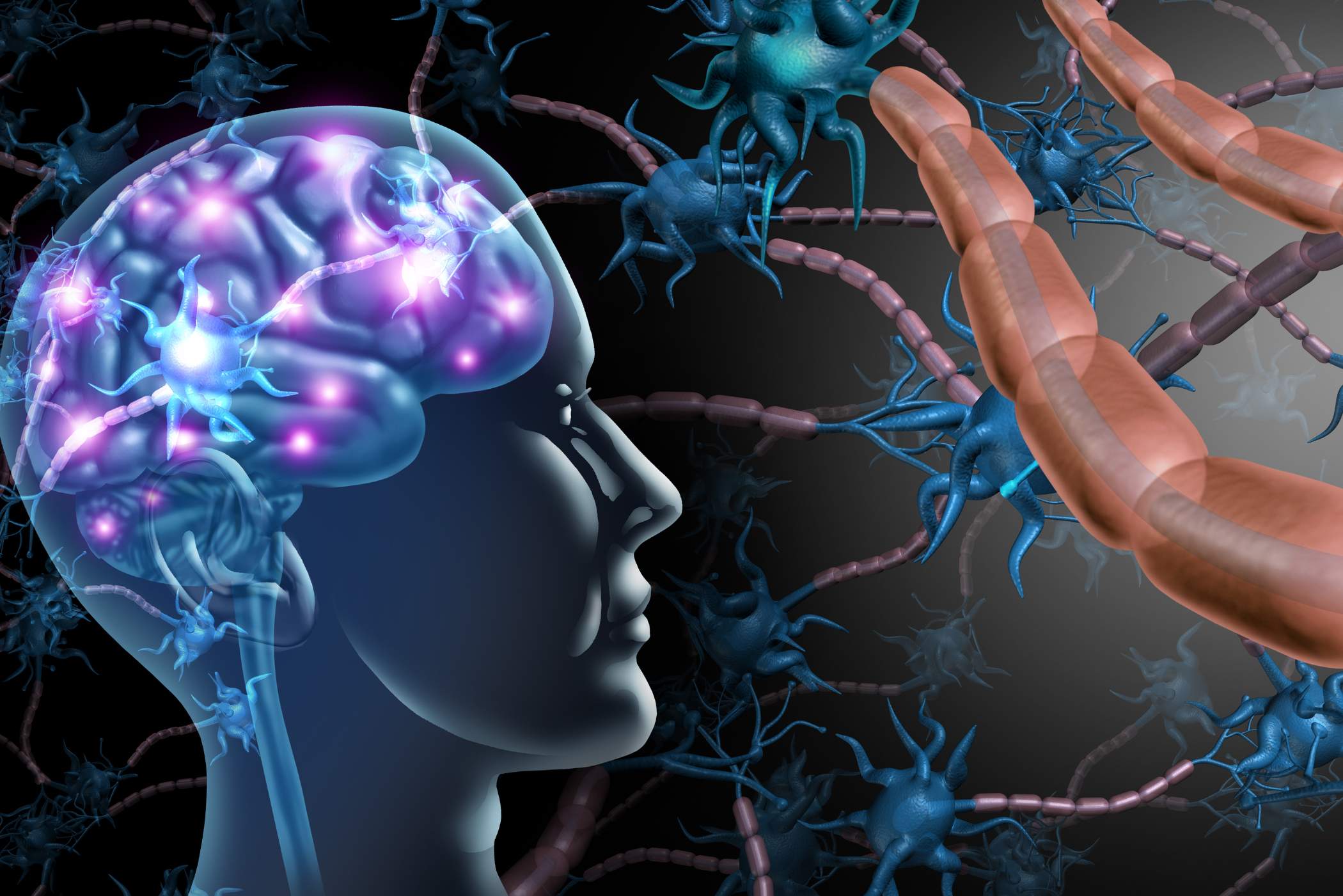
The Gut-Brain Connection: Why Stress Makes Your Digestion Worse
You’ve probably noticed the pattern by now. A stressful week at work, and suddenly your stomach is a mess. An

You’ve been tired for months — maybe years. Not the normal “had a late night” tired, but the bone-deep exhaustion that coffee doesn’t touch. The kind where you wake up already tired, drag through your day, and collapse at night only to sleep poorly and start the cycle again.
You mention it to your doctor. They run some basic labs. Everything comes back “normal.” You’re told it’s stress, or aging, or you just need to exercise more and sleep better (as if you hadn’t thought of that).
But here’s what often gets missed: your fatigue might be hormonal. And “normal” lab ranges don’t always capture dysfunction, especially in thyroid, adrenal, and sex hormones.
If your fatigue has been persistent and unexplained, here are five signs it might be hormonal — and what you can actually do about it.
Normal tiredness responds to rest. You have a hard week, you sleep in on Saturday, and you feel recharged. But hormonal fatigue is different.
You might:
This is called “unrefreshing sleep” or “non-restorative fatigue,” and it’s a hallmark of hormonal imbalance — particularly thyroid and adrenal dysfunction.
*Why it happens:*
Hormonal weight gain is stubborn. You’re not eating more or exercising less — in fact, you might be trying harder than ever — but the weight creeps on, especially around your belly.
*Thyroid-related weight gain:*
Low thyroid function slows your metabolism. Everything runs slower — digestion, fat burning, even your heart rate. You gain weight, feel cold, and struggle to lose it no matter what you try.
*Cortisol-related weight gain:*
Chronic stress keeps cortisol elevated. High cortisol promotes fat storage around your abdomen (visceral fat) and makes it nearly impossible to lose weight. It also increases cravings for sugar and carbs because your body is desperately seeking quick energy.
*Sex hormone-related weight gain:*
Dropping estrogen (perimenopause/menopause) and progesterone shift how your body stores fat. Testosterone decline (in both men and women) reduces muscle mass and slows metabolism.
If you’re eating well and staying active but your body composition is changing, hormones are likely involved.
Do you need a sweater in summer? Are your hands and feet always freezing? Or maybe you swing between chills and hot flashes?
*Cold intolerance = thyroid dysfunction*
One of the most classic signs of hypothyroidism (low thyroid) is feeling cold when others are comfortable. Your thyroid regulates your body’s thermostat. When it’s underactive, your internal temperature drops.
You might also notice:
*Temperature swings = sex hormone fluctuation*
Hot flashes and night sweats are obvious hormonal signals (hello, perimenopause), but so are cold flashes and temperature dysregulation. When estrogen drops, your hypothalamus (body temperature control center) gets confused and overreacts to minor temperature changes.
Hormones don’t just affect your body — they profoundly affect your brain.
*Brain fog:*
*Mood changes:*
*Why hormones affect your brain:*
Thyroid hormones regulate neurotransmitter production and brain metabolism. Low thyroid = slow brain function = fog and depression.
Cortisol affects memory formation and emotional regulation. Chronic high cortisol damages the hippocampus (memory center) and makes you more reactive to stress.
Estrogen supports serotonin and dopamine production. When estrogen drops (perimenopause, menopause), mood and cognition often suffer.
Progesterone has calming, anti-anxiety effects (it metabolizes into allopregnanolone, which affects GABA receptors). When progesterone is low, anxiety often increases.
Testosterone (yes, in women too) affects motivation, focus, and mood. Low testosterone contributes to depression and lack of drive.
If you’ve noticed cognitive and mood changes alongside fatigue, hormones are very likely involved.
Hormonal imbalances rarely show up in isolation. When one hormone system is off, it often cascades. Look for clusters of symptoms that all began around the same time:
*Thyroid dysfunction cluster:*
*Adrenal dysfunction cluster:*
*Sex hormone imbalance cluster:*
If you have three or more symptoms from one of these clusters, hormonal imbalance is very likely.
You might be thinking, “But I had my thyroid checked and it was fine.” Here’s the problem:
Standard lab ranges are too broad. Labs report “normal” as a statistical range — where 95% of the population falls. But functional ranges (where you actually feel good) are often narrower.
For example:
Subclinical dysfunction gets dismissed. You might have “subclinical hypothyroidism” — your TSH is slightly elevated, but not enough for medication. But “not bad enough for drugs” doesn’t mean you feel good.
Functional imbalances aren’t tested. Standard panels don’t look at:
This is why so many people are told “everything looks fine” when they clearly don’t feel fine.
Chinese medicine has been addressing what we now call “hormonal imbalance” for thousands of years — long before we could measure TSH or cortisol in a lab. The framework is different, but the results are the same: restoring balance and energy.
Acupuncture influences your endocrine system (hormone-producing glands) by:
Regulating the hypothalamic-pituitary axis — Your hypothalamus and pituitary gland control your thyroid, adrenals, and sex hormone production. Acupuncture helps restore proper signaling along this axis.
Improving blood flow to endocrine organs — Better circulation means better hormone production and delivery.
Reducing inflammation — Chronic inflammation interferes with hormone receptor function. Your body might be producing hormones, but if receptors are inflamed, the hormones can’t do their job.
Balancing the autonomic nervous system — Stress hormones (cortisol, adrenaline) directly interfere with thyroid and sex hormone function. Acupuncture calms your stress response, allowing other hormones to normalize.
Research shows acupuncture can:
Chinese herbal formulas are incredibly effective for hormonal fatigue because they’re designed to:
Tonify Qi (build energy) — Certain herbs specifically support your body’s energy production at a cellular level.
Nourish Yin (build reserves) — Especially important for thyroid and sex hormone support, these herbs rebuild the “substance” your body needs to function.
Regulate Yang (metabolic function) — Supports thyroid function and helps your body use energy efficiently.
Calm Shen (nervous system regulation) — Addresses the stress component that exacerbates hormonal imbalance.
Common formulas might include:
Everything is customized to your specific pattern — not a one-size-fits-all approach.
Hormonal fatigue didn’t develop overnight, and it won’t resolve in one session. But most patients notice changes relatively quickly:
Weeks 1-2: Better sleep quality, less afternoon crashing
Weeks 3-4: Improved morning energy, better mental clarity
Weeks 6-8: More sustained energy throughout the day, mood improvements
3 months: Significant improvement in overall vitality, weight starting to shift
Treatment typically involves:
If you’re exhausted all the time and you’ve been told it’s just stress or aging, you’re not imagining it. Hormonal fatigue is real, it’s measurable (even if standard labs miss it), and most importantly — it’s treatable.
You don’t have to live on caffeine. You don’t have to “push through” chronic exhaustion. Your body is trying to tell you something, and with the right support, it can heal.
Ready to address the root cause of your fatigue? Book your consultation and let’s figure out what’s really going on with your hormones.
Located in Santa Monica, serving West LA, Brentwood, Pacific Palisades, Venice, and Mar Vista.
You’ve probably noticed the pattern by now. A stressful week at work, and suddenly your stomach is a mess. An

You want to look refreshed. Less tired. More like yourself, just… better. You’re researching options, and you keep seeing cosmetic